

Australia enforces world-first social media ban for under 16s, effective December 2025

Australia's World-First Social Media Ban for Under-16s Takes Effect
Australia has implemented a world-first social media ban for individuals under the age of 16, a significant legislative move aimed at safeguarding youth from potential online harms theguardian.com+4. This policy, which officially took effect around December 9-10, 2025, marks a pivotal shift in digital regulation and sets a precedent for other nations grappling with the impact of social media on minors sbs.com.au+4.
Details of the Ban and Implementation
The ban restricts access to major social media platforms for all Australians under 16 years old, affecting millions of children and teens theguardian.com+4. The policy began rolling out with initial discussions and proposed implementation timelines in late 2023, culminating in active enforcement in December 2025 theguardian.com+5.
Affected Platforms
A wide range of popular platforms are targeted by this ban, including sbs.com.au+2:
- TikTok
- YouTube
- Threads
- X (formerly Twitter)
- Snapchat
- Kick
- Twitch
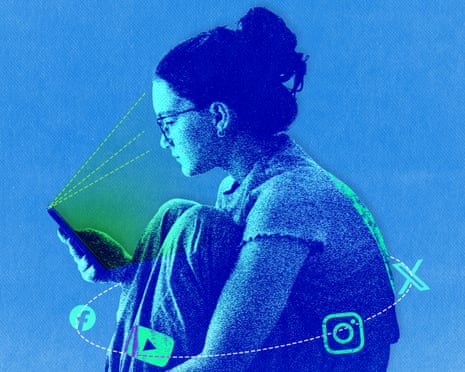
Penalties for Non-Compliance
Social media companies face substantial fines if they fail to take "reasonable steps" to prevent under-16s from creating or holding accounts. These penalties can reach up to A$49.5 million (NZ$56.9 million), emphasizing the government's commitment to holding platforms accountable for age verification and user safety theguardian.com+1. [[IMG:ALT="Platforms face up to $49.5 million in fines if they do not take "reasonable steps" to prevent under-16s from holding an account." ID=4]]
Rationale and Goals
The Australian government has explicitly stated that the primary rationale behind this ban is to protect children and teenagers from the myriad of potential harms associated with digital platforms theguardian.com+4. Officials cite concerns over rnz.co.nz+4:
- Mental health issues linked to social media use.
- Exposure to harmful content and interactions.
- Online bullying.
- The spread of misinformation.
The government anticipates that the ban will lead to a reduction in these negative online experiences among minors, fostering a safer digital environment aljazeera.com.
Reactions and Concerns
The implementation of this ban has garnered a mixed response from various stakeholders.
Support
Parents and child advocacy groups have largely welcomed the law, viewing it as an essential step towards safeguarding youth in the digital age sbs.com.au+1. Government officials maintain that the ban is necessary for public safety and the national security of younger citizens aljazeera.com+2.
Criticism and Concerns
Conversely, major technology companies and free speech advocates have expressed significant concerns sbs.com.au+2. Critics argue that the ban could lead to theguardian.com+5:
- Infringement on freedom of expression and civil liberties.
- Potential for government overreach and censorship.
- Increased isolation for vulnerable teenagers.
- Driving young users to less regulated areas of the internet, potentially exposing them to greater risks.
Some stakeholders have described the law as "upsetting," highlighting the divide in public and industry opinion scmp.com+1.
Company Compliance and Global Implications
In response to the new regulations, social media giants have begun adapting their policies and technologies. Meta, for instance, has already started removing Australian users under the age of 16 from its Instagram and Facebook platforms youtube.com. TikTok has also outlined its compliance strategy, announcing it will implement measures to restrict access for underage users in Australia, despite some internal apprehension about the "upsetting" nature of the law mlex.com+2.
This Australian initiative is being closely watched globally, with many experts suggesting it could set a powerful precedent for other countries theguardian.com+7. Several European nations are reportedly exploring similar bans, indicating a growing international trend towards stricter social media regulation for minors rte.ie+2. While advocates hope for a global crackdown on harmful online content, critics like Dr. Jane Smith, a digital rights advocate, warn that such bans could lead to increased censorship and limit freedom of expression internationally theguardian.com. The long-term effects on digital communication, international relations, and the strategies of social media companies worldwide remain a subject of ongoing debate and observation rte.ie+2.


